
Affordable Tips to Improve Your Sleep and Feel Your Best
This blog post was written by Sheila Olson, founder of fitsheila.com.
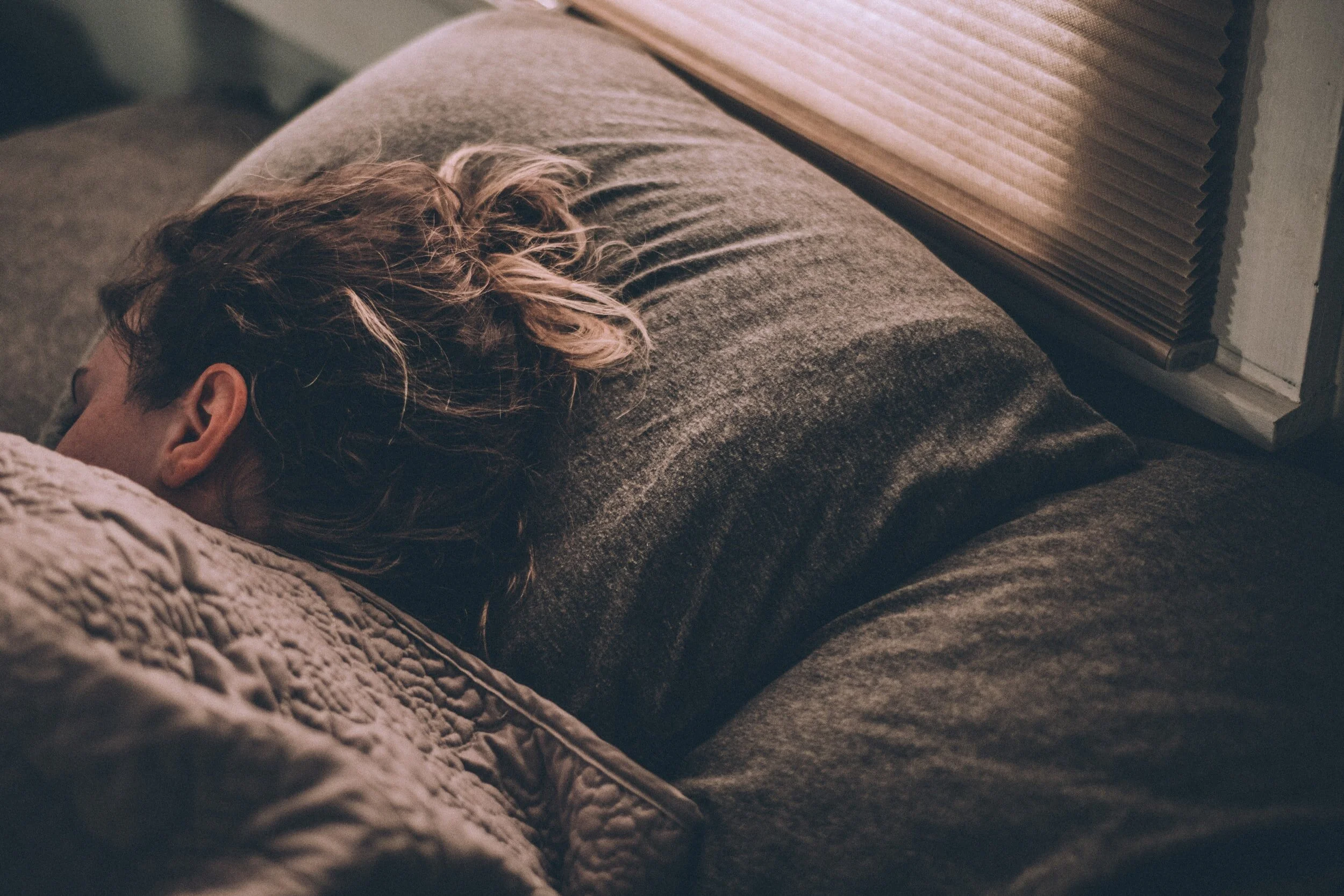
@tsujigimi
The average adult needs at least seven hours of sleep every night, according to the Centers for Disease Control and Prevention. A good night's sleep will leave you energized and refreshed, making it easier to concentrate on work or school. If you have trouble getting your zzzs, read on for affordable tips on how you can improve sleep quality.
Optimize your bedroom for uninterrupted sleep
Your bedroom should be quiet and dark. Close your bedroom door and shut the windows to keep outside noise to a minimum. You can also use cheap earplugs to help drown out sounds. According to Collective Evolution, sleeping in total darkness is ideal. Darkness triggers the brain's production of melatonin, a hormone that makes you drowsy. If you don't have the cash for fancy blackout curtains, simply hang heavy blankets over your windows, taping them at the sides to keep light out.
Upgrade your linens, pillows, and mattress with online deals
Your bed is your sleep sanctuary — at least, it should be. A lumpy or flat pillow can leave you tossing and turning and waking up with neck pain. Meanwhile, old sheets can be scratchy and uncomfortable. Your first thought might be that new pillows and sheets is going to be a big investment. One pro tip: Upgrade your linens and pillows affordably by shopping online. Websites like Rakuten gather the best deals — you can get a coupon code and other promo offers to your retailer of choice.
You can even get deals on mattresses, just be sure to do some research online about what to look for in a mattress depending on how you sleep and any pain you might have. And, check the retailer’s policy on trials or returns.
Cut the screen time before bed
You may spend the hours before bed browsing social media or watching TV or movies. While such activities may seem soothing, they can actually impede sleep. The Sleep Foundation reveals that the blue light emitted from tablet, mobile phone, and laptop screens interferes with the body's natural sleep-wake cycle known as its circadian rhythm. Instead of watching your entertainment, try listening to it. You can access many podcasts for free.
Avoid using alcohol as a sleep aid
Many people believe that alcohol is a natural sleep aid due to the drowsy effect it creates. In fact, alcohol negatively impacts sleep. Alcohol can actually interfer with circadian rhythms, preventing you from entering the deeper, more restful stage of sleep — the REM stage, according to Psychology Today . You might drop off quickly after a drink but the quality of sleep won't be good. Try to cut out pre-bedtime drinking. As a silver lining, drinking less will also save you money.
Engage in physical activity a few hours before bed
Exercise gets your heart rate up. As you cool down from a workout, your heart rate slows down, leaving you mentally and physically tired. This is a great time to hop into bed. Do a quick workout or incorporate a yoga flow a few hours before you want to sleep. Harvard Health recommends trying yoga for better sleep and provides a guide to some basic moves.
For more in-depth yoga guides, check out more from Yoga to Cope. The platform also offers free meditation resources that you can use alongside your yoga practice to calm your mind.
Find ways to reduce daily stress
Practicing yoga and meditating before bed can also help you reduce stress. According to Sleepscore Labs, stress can negatively influence sleep. For one thing, your anxious thoughts may keep you alert, making it hard to drop off. Additionally, stress has physiological effects, like increasing blood pressure and cortisol levels, which can make it difficult for your body to enter a state of calm that would be conducive to sleep.
These tips don't cost much money — if any — to implement. Try adopting them and you will wake up feeling refreshed and at your best.