
The Benefits of Yoga—Backed By Science
This article was written by Yoga to Cope’s guest contributing editor Jordan Smith. Her background includes writing and editing health and fitness content for major publications such as Health and Runner’s World. She is working toward a personal training certification and hopes to inspire others to find the health journey that works best for them.
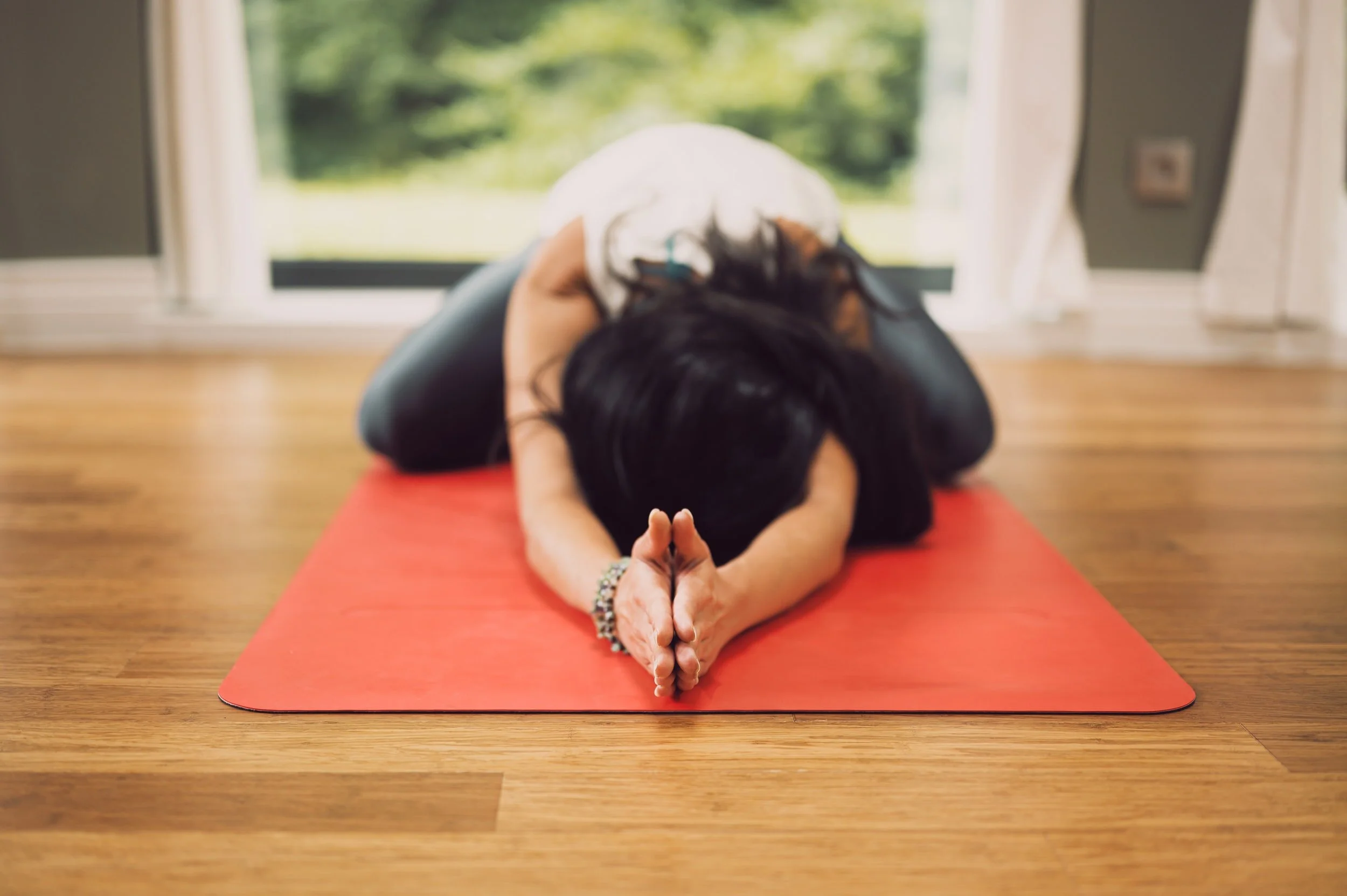
Image by @ConsciousDesign
You turn to yoga for the way it makes you feel, maybe it’s a place you go when you need a mental health reset or something that helps you relax at the end of a long day. But let’s dive a little deeper. Why, exactly, is it that yoga offers us a place to zen out?
First, yoga practice is often very breath focused, and there’s a reason for that. Ever heard the saying “change your breath, change your life”? It’s true—depending on how you are feeling, there are multiple breath practices you can do to make your breathing work for you, as Yoga to Cope’s founder and president Kala MacDonald previously wrote. That’s because your breath is your direct connection to your nervous system and can help you re-center yourself.
Multiple studies have also confirmed yoga’s health benefits. Here are just a few:
Stressed? Research found that regular yoga practice decreased cortisol (a stress hormone) levels, resulting in lower levels of stress and anxiety.
Trouble sleeping? Yoga may help promote better sleep, and even reduce sleep disturbances according to research.
Many studies have found that yoga can boost your heart health by helping lower both high blood sugar and high blood pressure.
Since yoga is low impact, it can be beneficial for joint health, and a great way for those with chronic pain to add some movement to their routine.
Want to get stronger? Holding those tricky poses can help you build strength.
The benefits don’t stop there—certain moves actually activate certain parts of your nervous system. For example, forward folds activate your parasympathetic nervous system which is responsible for “rest and digest,” while backbends active your sympathetic nervous system which is responsible for “fight, flight, or freeze,” explains MacDonald.
Feeling down? MacDonald suggests practicing some accessible backbends and invigorating inversions (i.e. baby cobra, bridge pose, sphinx, downward dog, and locust).
Feeling anxious? Try practicing some calming, grounding forward folds (i.e. child’s pose, happy baby, standing forward fold with bent knees, and sleeping pigeon).
And, Sky Corbett-Methot, a Holistic Nutritionist and 500-hour Hatha yoga and meditation instructor previously wrote about the benefits of being barefoot to connect with the earth. Grounding, yes, actually feeling the ground with your feet, may help improve sleep, causes faster-wound healing, reduces stress, reduces pain, assists the immune system by altering white blood cell count and cytokines response which are inflammatory. As the weather begins to warm up, take advantage and move your next practice barefoot, outdoors.
In general, research backs incorporating yoga practice into your life to improve your overall health, whether it be through boosting your mood, lowering your stress levels, improving your sleep, or having a positive impact on your spiritual well-being. But you don’t need science to tell you how good you feel after a practice—it’s just nice to know the added benefits
If you need more guidance, it’s always a good idea to speak to your yoga instructor or find a private coach who can help guide you. Additionally, there are many resources available to you online, here at Yoga to Cope and otherwise.