
Individual and Collective Care in the Age of COVID-19
This article is written by guest contributing writer Alyssa Thompson.
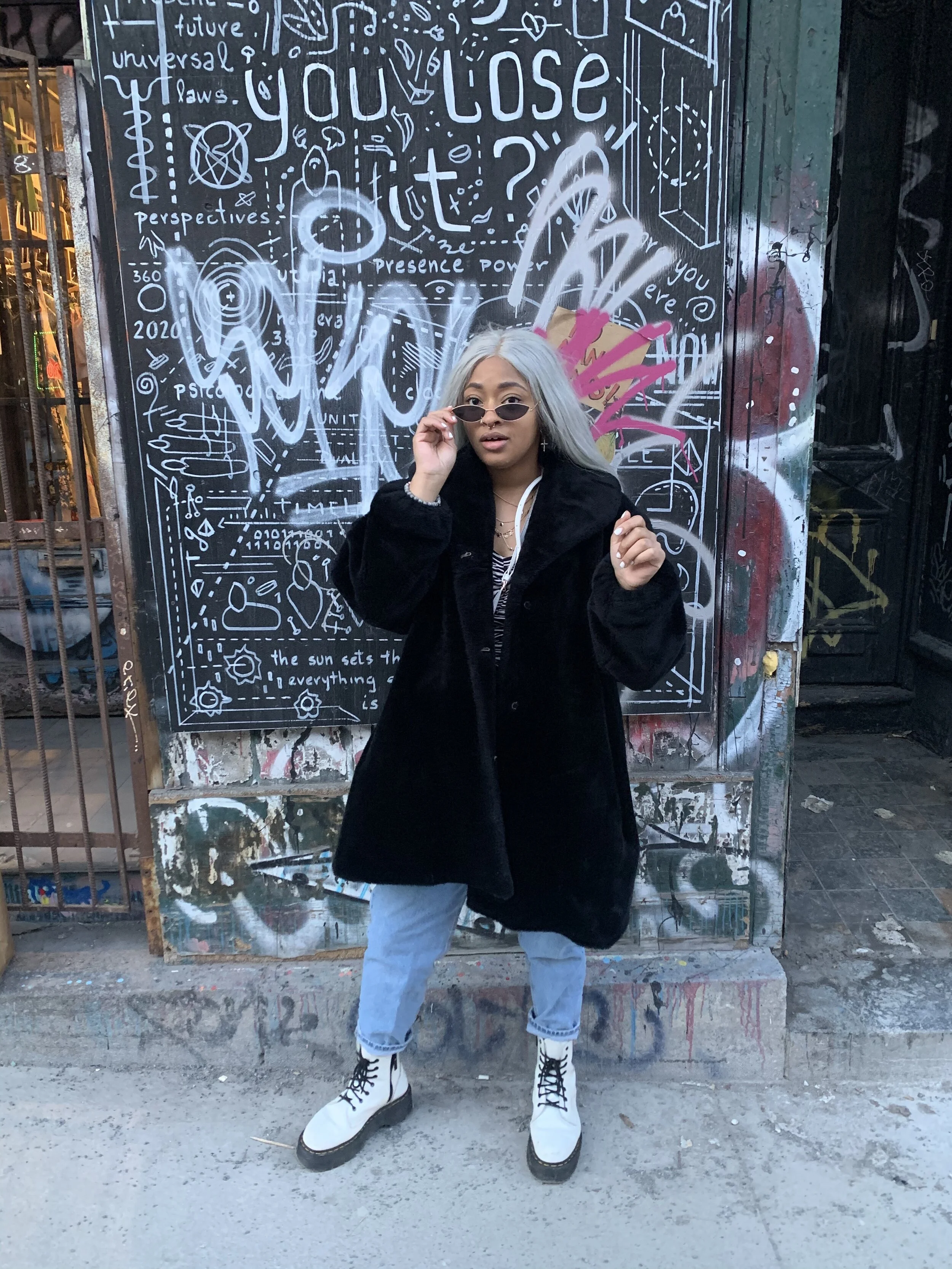
Picture shared by Alyssa Thompson.
It has been six months of what feels like the closest thing to the apocalypse for us all as a people. I have observed in this time various phases of human fear, loss, and self-preservation. Conversely, I observe a resurgence in community, and rediscovery of our selves. We all lived through the toilet paper hoarding, the echoes of food scarcity.
As we now see the world entering what appears to be the final phases of this apocalypse, what should be out takeaway from this? What to note about the stark difference in us as people this past March and as of us currently in September?
Empathy
The sudden stagnancy of a usually bustling nation forced us to look externally. We have begun to see who both within our familiar communities and outside of them suffer. This time in our homes places us directly in the face of others’ suffering, posing the question of how should we react?
Many have expressed disbelief—always along the lines of “how have I not seen this before? How have I not noticed it?” These feelings of having the wool lifted from one’s eyes are valid. They are good—and show emotional growth and consciousness that there is more to feel than what you only do, but to create space for others. That is empathy.
Self-care
Prior to the age of COVID-19, self-care always seemed an exclusive concept. It never seemed to fit into the days of us average people. You thought you were too poor to afford bath bombs, too busy to indulge a face mask. These past few months have broadened our concept of self-care and self-restoration.
Taking a pause in our daily lives may have been resultant of a pandemic, but it forced us to expand our concepts of what is self-care. Self-care, rather than being a broad and prescriptive category of indulgence, has become Indi dualized, to incorporate more than one type of person. Rather than self-care telling us what to do, we look inward and discover what it is we need personally and attempt to find that.
Self-care looks to me like a collective suffering, which in turn, becomes a collective restoration. We collectively mourn the loss of a hero or figure we have grown to love. It may look like a cry over a Zoom call, where we drink too much wine. It may look like sitting in your living room in Los Angeles, while you speak to your friends in New York and London in real-time.
I think that we have begun to realize the importance of being in proximity with other members of our community—those close to us and loved ones, while also extending our ability to care to strangers—without being physically close.
Find Alyssa on Instagram @_alysssaaahhh