
Vata Season ~ An Ayurvedic Approach to Autumn
This article is written by Sky Corbett-Methot, a Holistic Nutritionist and 500-hour Hatha yoga and meditation instructor.
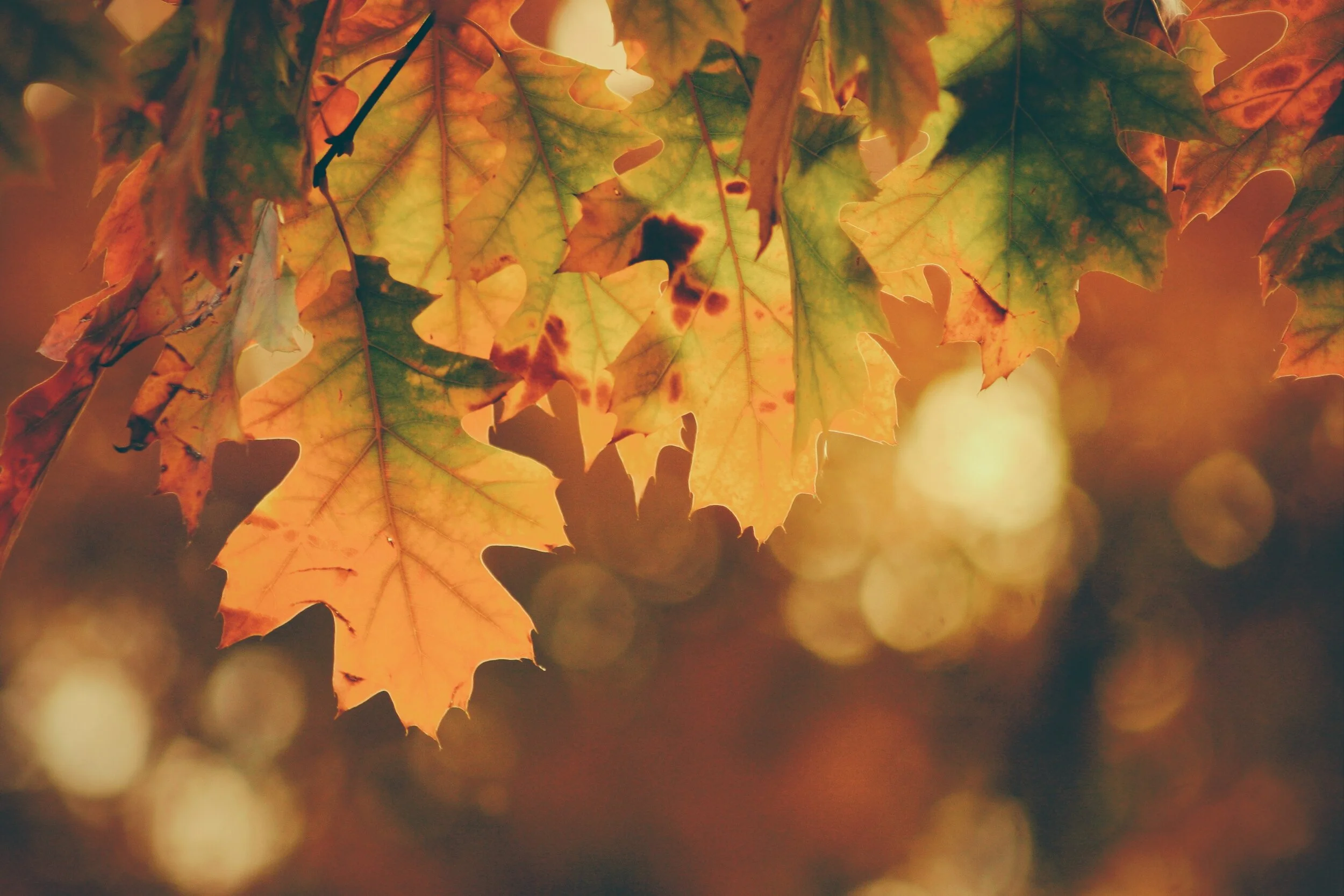
Picture by Timothy Eberly (@timothyeberly)
Autumn is here, which is becoming more and more apparent. The leaves are changing color and beginning to fall, the moisture in the air is changing, the temperature shifting. Even the foods in grocery stores are beginning to change. Pumpkin spice “everything” is now being advertised. Cozy clothes are being pulled out from the back of the closet and you are considering wearing boots. Lets explore how Ayurveda - an ancient self-healing system.
Ayurveda translates from Sanskrit to English as the '‘science of life.’ If you don’t know much about Ayurveda, don’t worry, this here is a small introduction.
You can think of Ayurveda as the complement to Yoga. Yoga is the union between the self (self-realization), whereas Ayurvedic principles teach you ways to balance and understand your constitution (self-actualization).
In Ayurveda, stems 3 different doshas, referred to as Vata, Pitta, and Kapha. Think of these dosha’s as the three energies that circulate and govern the body. Each one assimilates and functions differently, but all three are needed to create a healthy mind, body, and soul. These dosha’s govern different mindsets, emotions, and physical characteristics.
When one’s constitution (comprised of these dosha’s in varying ratio’s) is balanced it allows an individual to live in a harmony. However, when we aggravate our dosha(s) by living a lifestyle that disrupts this order, it creates an imbalance. In turn, this causes an ailment (ama), in the physical, emotional, and/or mental body.
So what is Vata season? Rather than the four seasons we are used to here in North America, Ayurveda uses the dosha’s to determine seasons.
The characteristics of a Vata inside the self may be expressed creativity, enthusiasm, fear/nervousness, insecurity, sensitivity, good at forming relationships, and excitable. These individuals usually prefer the unpredictable, such as seen when traveling. Often those will a dominate vata dosha experience cold hands and dry skin. Vata in our physical body governs wind, space, and movement, our respiratory system is an example.
Vata imbalances in the physical sense can manifest as gas, bloating, constipation, aching joints, mental fog, dry skin/hair, nervous system disorders (anxiety). Any of these disturbances relate to your experiences?
So when we fall into Fall, it is creating an external environment that can aggravate or offset vata internally. Especially those who are more dominant in this Dosha.
What can we do to remain balanced throughout this season of change and transformation?
Keep to a routine: this is imperative for those working from home. Create a safe, calm environment for you to thrive in.
Keep warm: in clothing choices and in foods choices.
Keep moisturized: this helps with the dryness. Sesame oil, and steam baths are helpful.
Keep moving: adjust your workout routine to serve you. The best times to move are between 6-10 am/pm. Try for slower, gentler, exercises that also provide strength. Yoga is great for this.
Keep breathing: practice pranayama - specifically Nadi Shodana (alternate nostril-breathing), helps with keeping you centered and balanced.
Keep nourishing yourself: as the grocery store changes so should your meals. Opt for warming grounding meals, hopping on the root vegetable game. Squash, pumpkins, onions, etc. are great way to keep rooted.
Keep hydrated: staying warm here, opt for delicious teas utilizing these spices to help ground yourself from the inside out: cardamom, cinnamon, clove, ginger, nutmeg, turmeric, etc.
By incorporating these tips may help reduce the aggravation of your constitution. This will allow your mind, body and spirit to remain grounded throughout this tumultuous season.